Follow U.S. federal spending from agency to contractor to district.
Every dollar has a trail.
Search federal contracts, recipients, agencies, awards, industries, states, congressional districts, and members of Congress.
FY2026 · complete year · data as of 2026-10-01†
† DoD contract data posts to USAspending about 90 days after award.
Explore the database
This week's biggest awards
The largest federal contract and grant actions recorded in USAspending for the most recent full week, updated every Monday.
Leaderboards
All leaderboards →Computed from public records for FY2026. Ranked by totals, not wrongdoing.
Top contractors
The biggest holders of federal contracts this year. Every name opens its own page in the graph.
Computed rankings
Non-competed means the contract is coded in FPDS, the federal procurement data system, as not available for competition, not competed, or not competed under simplified acquisition procedures; it describes how an award was made, not wrongdoing.
What the money buys
Where the money goes
Federal spending drawn as a flow: from the agency that pays, to the contractor that receives, to the place where the work is performed.
Top agencies → who they pay
Band width = FY2026 obligations, drawn to scale · source: USASpending.gov. Every band opens the award flow behind it.
Follow the flow →Political and oversight context
Connect public spending records with congressional districts, committee jurisdiction, and publicly reported PAC contributions. Context is shown as public-record proximity, not causation.
Who oversees it
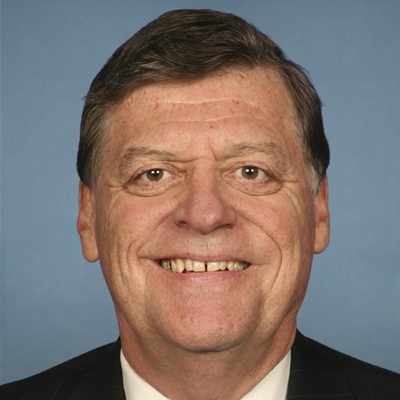 ColeHouse Approps · Chair
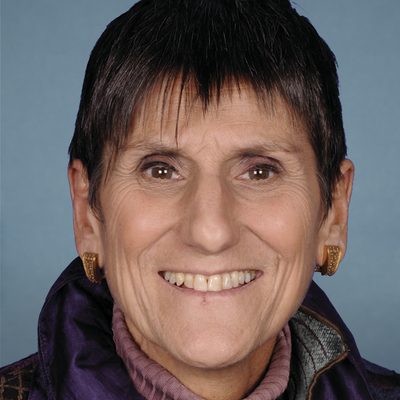 DeLauroHouse Approps · Ranking
 CollinsSenate Approps · Chair
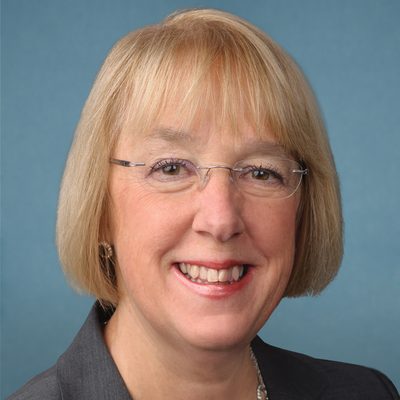 MurraySenate Approps · Ranking
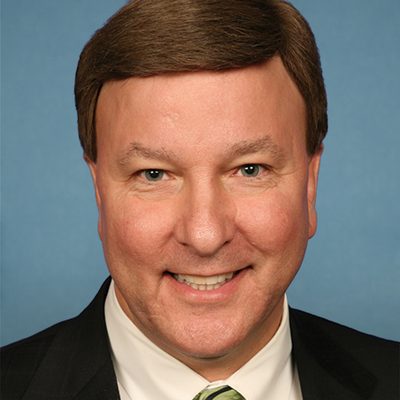 RogersHouse Armed Svcs · Chair
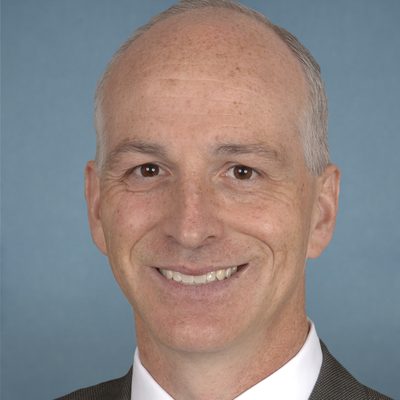 SmithHouse Armed Svcs · Ranking
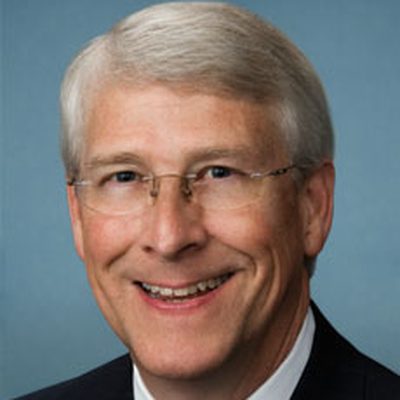 WickerSenate Armed Svcs · Chair
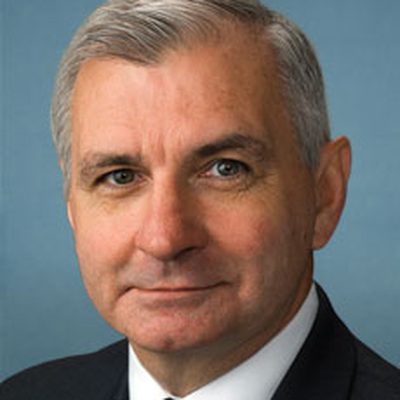 ReedSenate Armed Svcs · Ranking
InferredChairs and ranking members of the Appropriations and Armed Services committees, from public rosters.
All members & committees →Money and oversight
InferredRanked by public-record totals, not wrongdoing.